

Destination
Healthcare in Turkey, and what it costs without cover
Istanbul on a budget, a 2024 nomad visa, visa-free entry, and JCI hospitals at medical-tourism prices. The residence permit wants a Turkish-licensed health policy, and this is earthquake country.
A short trip to Turkey can still use travel cover. Living there needs international health insurance that outlasts the visa.
- Best for Long-term nomads
- Best for Slowmads
- Best for Freelancers
- Best for Perpetual travelers
- Insurance required?
- Residence permit requires a Turkish-licensed private health policy, not just any international plan
- Emergency number
- 112
- Healthcare quality
- JCI-accredited private hospitals at medical-tourism prices
The system
Healthcare system in Turkey
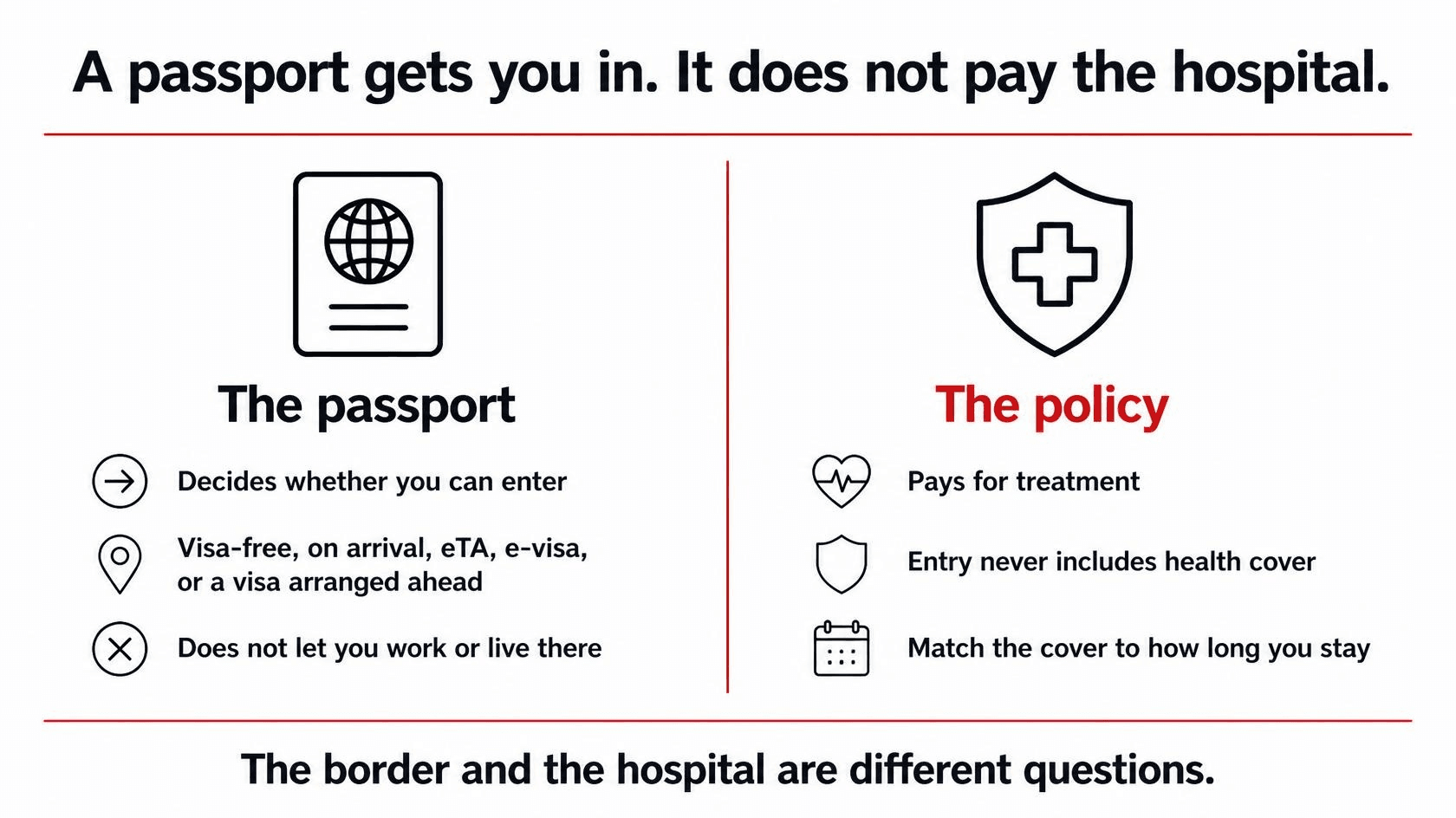
Turkey runs a strong public system (SGK) for residents who contribute, but nomads on a residence permit rely on private health insurance instead, more on that below.
The private sector is the draw: Turkey is one of the world's biggest medical-tourism destinations, with around 1.3 million international patients in 2024, and care that runs well below US, UK and EU prices.
Private hospitals to know
The private hospitals to know are in Istanbul. The big JCI-accredited groups are Acıbadem, Memorial (whose Şişli hospital was the first in Turkey and the 21st in the world to earn JCI accreditation) and the long-standing American Hospital. They run international patient departments with English-speaking coordinators, so language is rarely a barrier in the private system.
Pharmacies and emergencies
Pharmacies (eczane) are everywhere, marked by a green cross, and a duty-pharmacy rota (nöbetçi eczane) covers nights and holidays. The national emergency number is 112.
What you'd pay
Typical costs
| Private GP or specialist consultation | $15 to $45 USD |
|---|---|
| Private hospital, per day | $60 to $150 USD |
| Routine surgery, such as an appendectomy | $600 to $1,500 USD |
| Major surgery or serious admission | variable, but typically 50 to 80% below US cash prices |
Turkey's prices are quoted in lira, which moves a lot, so treat dollar figures as approximate. The headline point holds either way: private care here is inexpensive by Western standards, which is why so many people fly in for it.
Entry & stay
Visa, residency & insurance
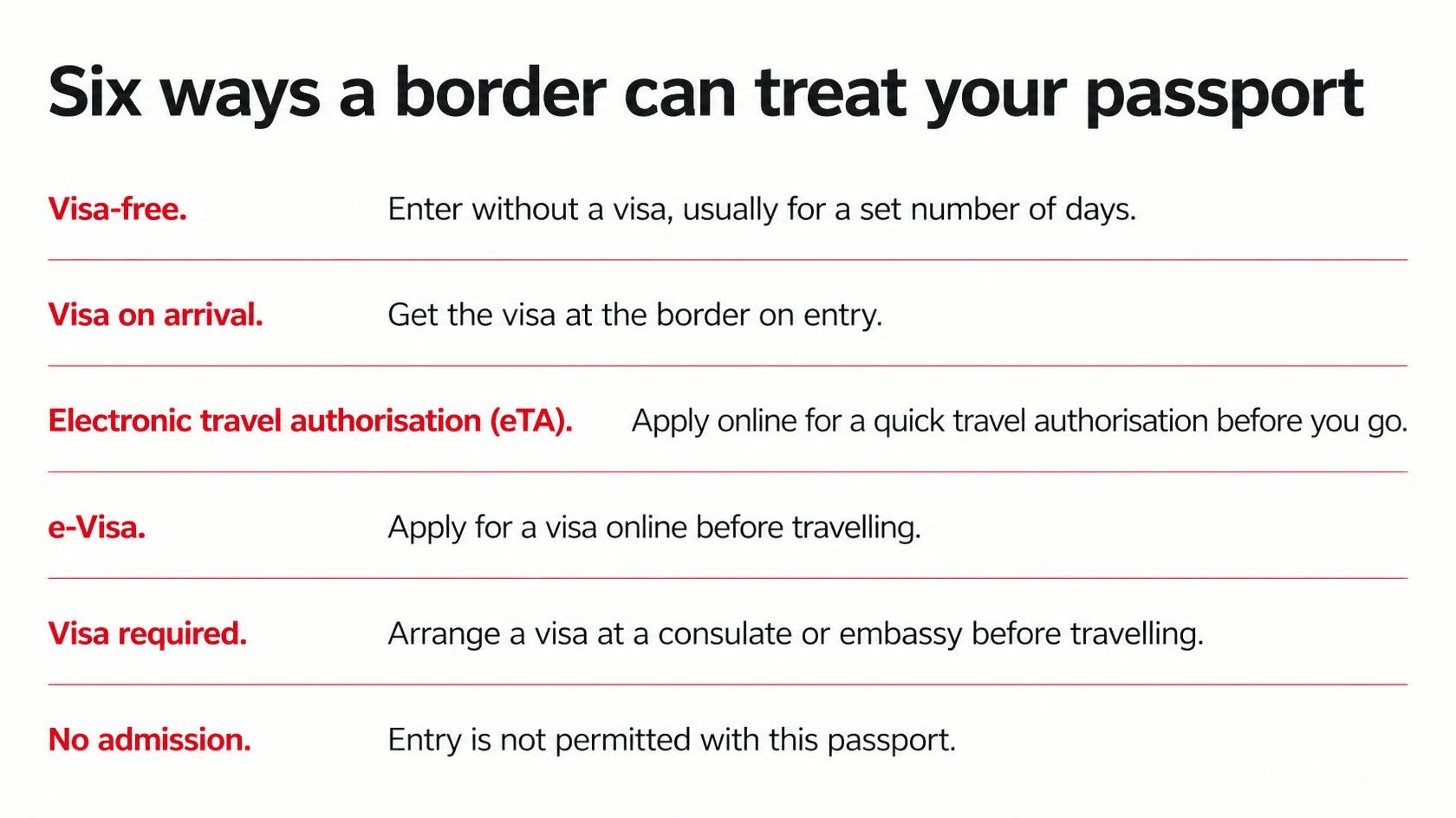
US, British, Canadian and Australian passport holders all enter visa-free for up to 90 days in any 180, following Turkey's 2024 expansion of visa exemptions, so no e-Visa is needed for tourism.
Travel insurance is not a legal entry requirement for visitors.
Digital nomad route
To stay and work remotely, Turkey launched a digital nomad route in 2024. You apply online at the official goturkiye portal for a Digital Nomad Identification Certificate, then convert it to a visa and a short-term residence permit. It is aimed at people aged 21 to 55 with a university degree who work remotely for a company outside Turkey, on income of at least $3,000 a month. The insurance catch is specific to Turkey: residence permits require a Turkish-licensed private health insurance policy that meets the regulator's minimum cover, not simply any international plan. Those minimum cover levels are set in lira and adjusted over time. We spell it out on the Turkey digital nomad visa page.
Who these rules apply to: All non-Turkish; EU/UK/US/CA/AU streamlined e-Visa or visa-free. DNV open to 36 eligible countries (incl EU/UK/US/CA/Russia)
- Required
e-Visa (Tourist/Business)
Up to 90 in 180US/CA/AU/India/China and other non-visa-exempt for tourism or business. evisa.gov.tr application; passport 6 months from entry; ~50 USD; processing in minutes
- Recommended
Visa-Free Entry (Sticker on Arrival)
Up to 90 in 180UK/EU/Schengen/JP/KR and other visa-exempt. Passport valid 150 days (UK) or 6 months (most), return ticket, funds
- Optional
Work Permit (Calisma Izni)
Initial 1 yr, extendable to 2 then 3; doubles as RPForeigners with Turkish employer sponsorship. Employer paid-in capital ≥100k TRY or 800k TRY gross sales; 5:1 Turkish:foreign ratio; salary 1-5x min wage depending on role; MLSS approval ~30 business days; fees ~540-595 USD
- Required
Turkiye Digital Nomad Visa
1-year RP, renewableRemote workers 21-55 employed by or contracting with non-Turkish companies; 36 eligible countries. Min 3,000 USD/month (36,000 USD/yr); university degree; remote contract; apply via digitalnomads.goturkiye.com for Identification Certificate then consulate
- Required
Short Term Residence Permit (Kisa Donem Ikamet)
Up to 2 years per issuance, renewableForeigners >90 days for tourism, property, language study, family, or remote work without local employment. e-Ikamet portal application, address, income ~1.5x Turkish min wage (~700-900 USD/month/person), passport 60 days beyond permit, ~80 USD fee for 1 yr
- Recommended
Citizenship by Investment (Turkish Golden Visa)
Permanent (citizenship/passport)HNW investors and families wanting second passport (visa-free to 110+ countries). Real estate ≥400,000 USD held 3 yrs (most popular); alternatives 500k USD deposit, 500k USD fixed capital, government bonds, or 50-Turkish-employee hire; processing 8-12 months
Visa rules change often and depend on your nationality. Always confirm with the official immigration service or your nearest consulate before you apply.
Interactive
Verified pricesWhat would it cost in Turkey without insurance?
Gravel on a bend outside town. Road rash, a broken forearm, and a night or two before they discharge you.
| Ambulance | $17–$32 |
| Emergency room, on arrival | $50–$150 |
| X-ray on the forearm | $34–$228 |
| Two nights on the ward | $700–$1,600 |
| You pay, out of pocket | $801–$2,010 |
Priced as one lump instead of itemised, a serious admission in Turkey runs $1,500 to $6,000.
That is the bill you carry alone. Insurance exists for exactly this.
See what a match needsTypical private-care estimates for illustration, not a quote. Actual bills vary by hospital, city and severity.
Local risk notes
What to watch out for in Turkey
- Earthquakes.
- Turkey is highly seismic. The February 2023 earthquakes in the southeast were catastrophic, and a magnitude-6.2 quake struck the Sea of Marmara off Istanbul in April 2025. Know your building and the basics.
- The Syria and Iraq borders. Both the US and UK governments say do not travel within 10 km of the Syrian border, and to avoid the southeast near the borders, because of terrorism and conflict.
- Roads. Traffic is a real risk; if you ride a motorbike or scooter, confirm your policy covers it.
- Currency swings. The lira is volatile, which is good for your spending power but means prices and insurance minimums move; budget with a buffer.
- Tap water. City water is chlorinated and tested, but taste and old plumbing mean locals and visitors mostly drink bottled or filtered water.
Common questions
Turkey insurance FAQ
Yes, launched in 2024. You apply online at the official goturkiye portal for a Digital Nomad Identification Certificate, then get a visa and short-term residence permit. It is for remote workers aged 21 to 55 with a degree, earning at least $3,000 a month.
Residence permits require a Turkish-licensed private health insurance policy meeting the regulator's minimum cover, not just any international plan. The minimum levels are set in lira and change over time, so buy the local policy as part of the permit process.
Usually not on its own. Turkey expects a compliant Turkish private policy for the residence permit, so plan to buy one locally even if you also keep international cover.
No. US, British, Canadian and Australian visitors enter visa-free for up to 90 days in any 180-day period. No e-Visa is needed.
Yes. Turkey is a major medical-tourism destination with JCI-accredited private hospitals (Acıbadem, Memorial, the American Hospital) and English-speaking international patient services, at prices well below the West.
A private consultation runs about $15 to $45 and routine surgery $600 to $1,500, with major procedures still well below US prices. A medical flight home, though, is far more.
Turkey is seismically active, with a major earthquake in 2023 and a tremor off Istanbul in 2025. It is a normal part of life there, but know your building and keep travel cover that includes medical evacuation.
Here for a few weeks rather than living here? A trip policy is the right tool; see our guide to travel insurance for digital nomads.
This page is the healthcare guide. It does not quote a premium and does not name an insurer. How we measure cost.
In 3 steps
- 01
Fill out
The form only asks what changes the plan.
- 02
We find your match
We compare the panel against your route, stay and visa.
- 03
Become a member
If the offer fits, you take it out directly.
Have a look if this page was not the question you came with.