
Destination
Healthcare in Latvia, and what it costs without cover
A Schengen base with a real nomad visa for OECD-employed remote workers, fast English-speaking private clinics in Riga, and low costs. Two things decide the rest: the €4,213 income bar and Europe's highest tick-borne encephalitis rates.
A short trip to Latvia can still use travel cover. Living there needs international health insurance that outlasts the visa.
- Best for Long-term nomads
- Best for Slowmads
- Best for Freelancers
- Best for Perpetual travelers
- Insurance required?
- Mandatorypolicy valid in Latvia and Schengen, insurer minimum liability €42,600, covering treatment, hospitalisation and repatriation
- Recommended coverage
- €42,600 minimum insurer liability
- Emergency number
- 112113 for ambulance
- Healthcare quality
- Tax-funded public side plus fast English-speaking private clinics in Riga; most nomads go private
The system
Healthcare system in Latvia
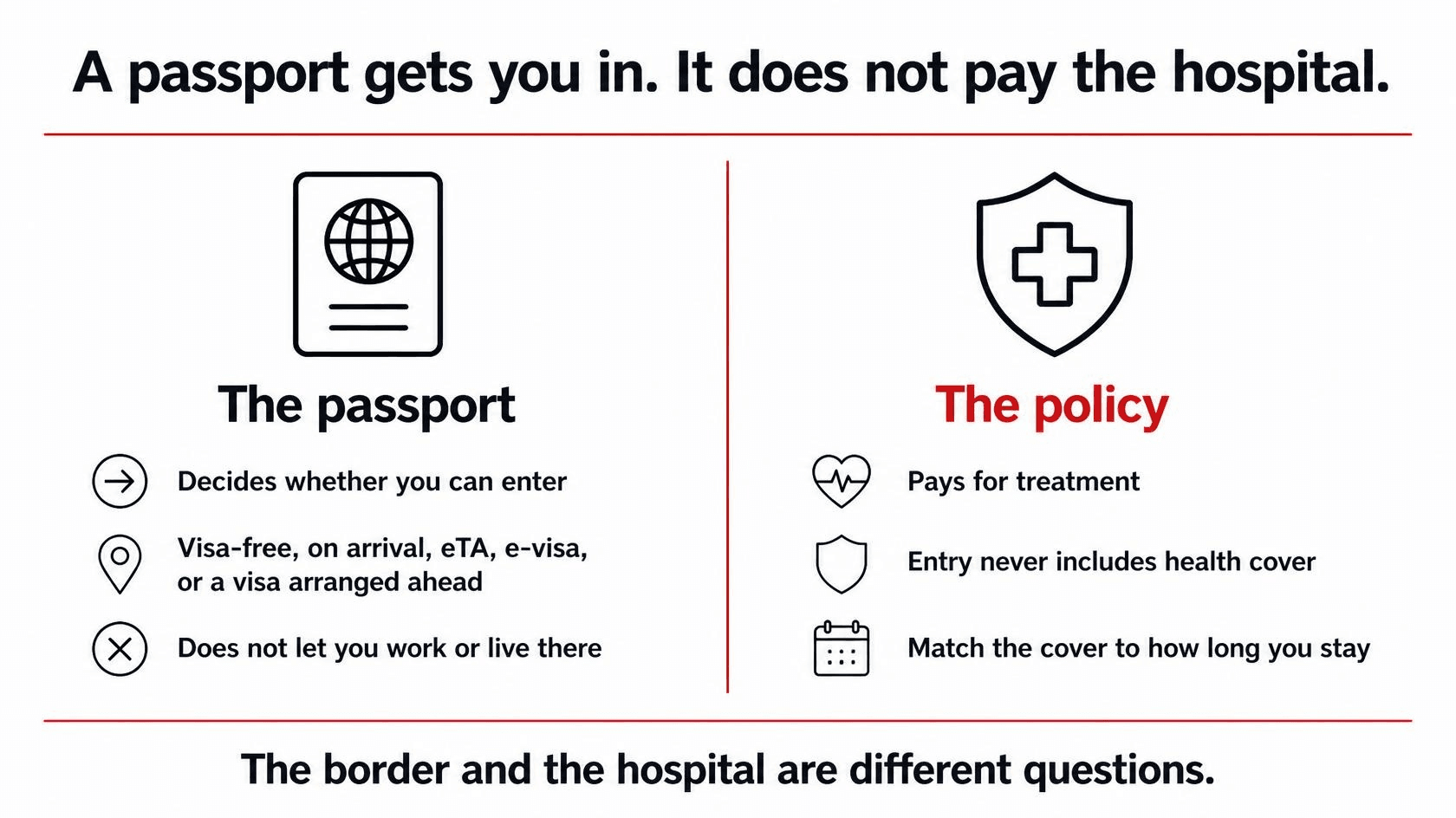
Latvia runs a mixed system: a tax-funded public side managed by the National Health Service (Nacionālais veselības dienests), and a fast-growing private sector that most nomads end up using.
Public care is universal for citizens and registered residents, but it comes with long waits for non-urgent appointments and specialists, and Latvian is the working language, so communication in state hospitals can be hard if you do not speak it. For day-to-day care, foreigners overwhelmingly go private and either pay out of pocket or run a local private plan on top of their travel or international policy.
Private clinics in Riga
English is far easier to find in private clinics in Riga, which are set up for internationals and have short waits. Names nomads use include Veselības centrs 4 (VC4), Capital Clinic Riga and Clinic ARS for GP and specialist visits. For anything serious, the big public hospitals are Pauls Stradiņš Clinical University Hospital, the largest and most advanced in the country and the only one doing organ transplants, and Rīga East Clinical University Hospital. The emergency number is 112 for any emergency, and 113 reaches the ambulance service directly. Pharmacies (aptieka) are widespread in cities and pharmacists often speak some English.
What you'd pay
Typical costs
| Private GP consultation | €30 to €40 (~$35–45) |
|---|---|
| Private specialist consultation | €50 to €80 (~$55–90) |
| One-bedroom flat, Riga (monthly rent) | €510 to €880 (~$580–1,000) |
| All-in monthly budget for a nomad | around €2,900 to €3,000 (~$3,300–3,400) |
These figures are in euros, with the dollar equivalents as rough conversions for comparison, and are indicative, drawn from 2026 cost-of-living and clinic data; rent swings a lot between Old Town and outer districts like Imanta or Purvciems. Routine doctor visits are cheap, but a serious admission as an uninsured self-payer runs into the thousands, and a medical flight home costs far more, which is the gap insurance is meant to close.
Entry & stay
Visa, residency & insurance
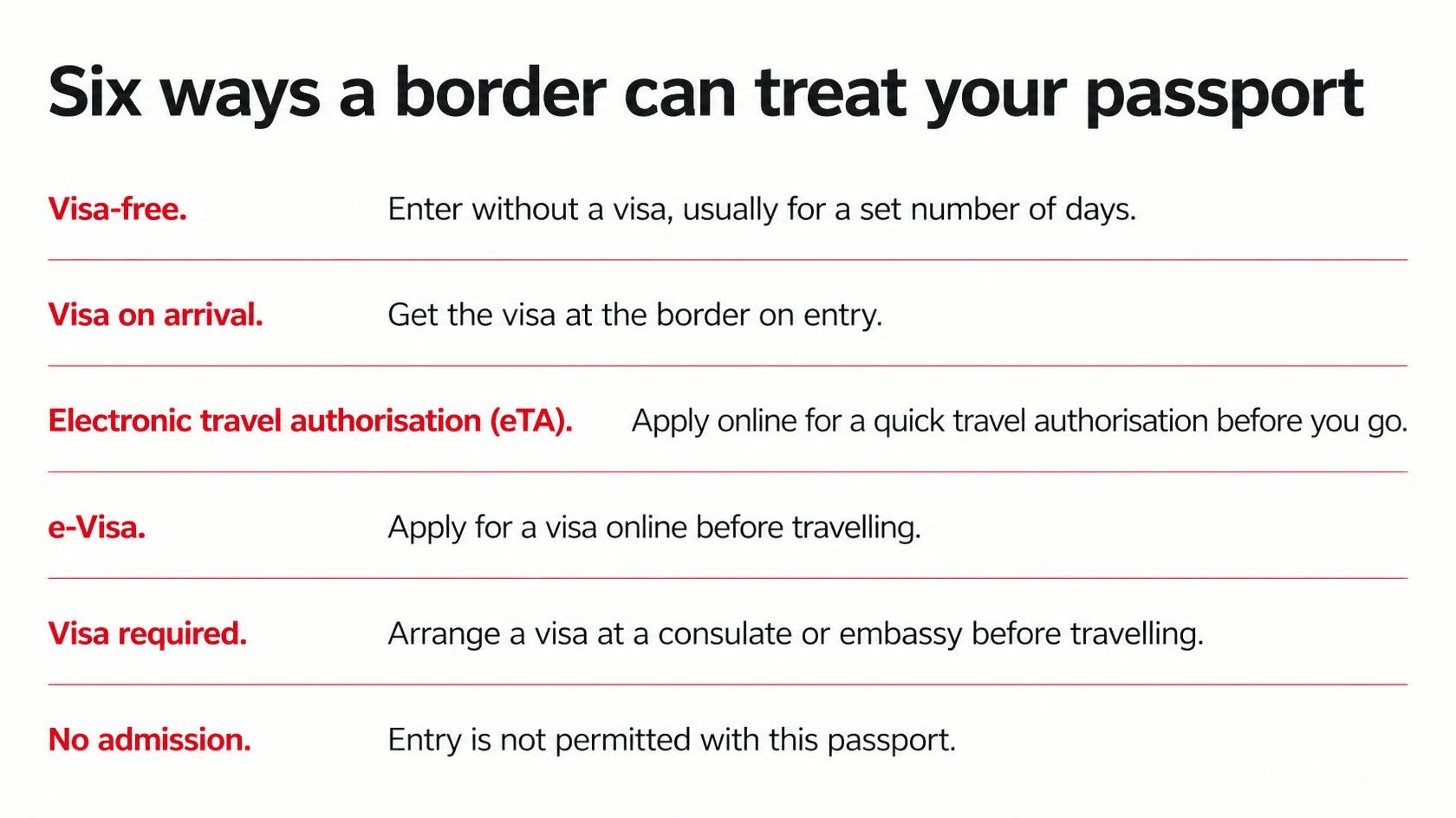
For short visits, Latvia is in the Schengen area, so US, British, Canadian and Australian travellers enter visa-free for 90 days in any 180-day period.
The EU's Entry/Exit System (EES) is now operating at the border, and the ETIAS travel authorisation is expected to start later in 2026 but is not yet required. Travel insurance is not a legal entry condition for visa-free tourists, though going without cover in a country with these tick risks is a poor bet.
Digital Nomad Visa
To stay and work remotely, Latvia's Digital Nomad Visa is a long-stay (category D) visa created by a 2022 law. It is open only to people working for, or owning, a company registered in an OECD member state (the US, UK, Canada, Australia and Japan all qualify), with a certificate showing at least six months of prior employment with that employer. The official income test is 2.5 times Latvia's prior-year average gross wage, which the migration authority (PMLP) currently puts at €4,213 a month. Insurance is mandatory: a health policy valid in Latvia and the Schengen states, covering the whole stay, with the insurer's minimum liability limit no lower than €42,600 and covering treatment, hospitalisation and repatriation. The visa is granted for up to one year, the state fee is €90 (or €180 expedited), and it carries no right to take a local Latvian job. Full detail is on the Latvia digital nomad visa page.
Who these rules apply to: Non-EU/EEA/Swiss from OECD member states for DN Visa. EU/EEA/Swiss have free movement
- Required
Schengen Visa-Free / Short Stay (Type C)
90 days in any 180-day period across SchengenVisa-exempt non-EU (US/UK/CA/AU/JP and others) for tourism or short business. Passport (6 months validity), funds, onward travel; ETIAS pre-authorization from 2026 for visa-exempt non-EU
- Required
Temporary Residence Permit (TRP) - Employment / Self-Employment
Typically 1-5 yrs renewable; PR path after 5 yrsNon-EU with Latvian job offer, EU Blue Card eligibility, self-employment registration, or family reunification. Employment contract or business registration; min salary thresholds (higher for Blue Card); accommodation; clean record
- Required
Latvia Digital Nomad Visa (Type D, long-stay)
1 year, renewable once for 2nd year (2 yrs total)Non-EU remote workers employed by or self-employed in an OECD member state
- Required
Latvia Startup Visa (Temporary Residence Permit)
Up to 3 yrs with annual renewalsFounders of innovative, scalable, high-value tech startups; up to 5 co-founders per idea; family included. Approved 3-yr innovative business plan; financial means (~5,160 EUR / 5,570 USD min, higher with family); registration with Investment and Development Agency of Latvia (LIAA)
- Required
Latvia Golden Visa (Residence by Investment)
Up to 5 yrs renewable; PR pathNon-EU investors seeking EU residence via real estate, subordinated bank deposit, or Latvian company investment
Visa rules change often and depend on your nationality. Always confirm with the official immigration service or your nearest consulate before you apply.
Once a stay outruns a travel policy's trip limit, our guide to nomad health insurance vs travel insurance explains which kind of cover fits.
Interactive
Verified pricesWhat would it cost in Latvia without insurance?
Gravel on a bend outside town. Road rash, a broken forearm, and a night or two before they discharge you.
| Ambulance | $51–$177 |
| Emergency room, on arrival | $100–$400 |
| X-ray on the forearm | $63–$101 |
| Two nights on the ward | $182–$274 |
| You pay, out of pocket | $396–$952 |
Priced as one lump instead of itemised, a serious admission in Latvia runs $1,200 to $8,000.
That is the bill you carry alone. Insurance exists for exactly this.
See what a match needsTypical private-care estimates for illustration, not a quote. Actual bills vary by hospital, city and severity.
Local risk notes
What to watch out for in Latvia
- Tick-borne encephalitis.
- Latvia has one of the highest TBE rates in Europe, endemic countrywide including around Riga, so consider the vaccine and check yourself after forests and grasslands.
- Ticks carry Lyme too. There is a vaccine for TBE but not for Lyme disease, so cover up, use repellent, and remove ticks promptly from spring through autumn.
- Unpasteurised dairy. A minority of TBE cases come from raw, unpasteurised milk and cheese, so skip those if you are not vaccinated.
- Dark, cold winters. Winters are long, icy and short on daylight, which raises the odds of slips and winter driving incidents.
- Old Town scams. Riga is safe overall, but pickpocketing and bar or nightclub scams (spiked drinks, inflated bills) target tourists in the Old Town, especially in summer.
Common questions
Latvia insurance FAQ
Yes. Latvia introduced a Digital Nomad Visa in 2022, a long-stay category D visa for people working for, or owning, a company registered in an OECD country, with at least six months of prior employment with that employer.
Yes. You must hold a health policy valid in Latvia and the Schengen states for the whole stay, with the insurer's minimum liability limit no lower than €42,600, covering treatment, hospitalisation and repatriation.
The official test is 2.5 times Latvia's prior-year average gross salary. The migration authority currently states this as €4,213 a month, shown over the months before you apply.
No. As a Schengen member, Latvia lets US, British, Canadian and Australian visitors stay 90 days in any 180. ETIAS is coming but not yet required.
Care is solid, especially in Riga's private clinics, where English is common and waits are short. Public hospitals like Pauls Stradiņš are capable but slower and mostly Latvian-speaking.
Yes. Tap water in Riga meets EU standards and is considered safe to drink, though some older buildings have aging pipes.
This page is the healthcare guide. It does not quote a premium and does not name an insurer. How we measure cost.
In 3 steps
- 01
Fill out
The form only asks what changes the plan.
- 02
We find your match
We compare the panel against your route, stay and visa.
- 03
Become a member
If the offer fits, you take it out directly.
Have a look if this page was not the question you came with.