Destination
Healthcare in Kenya, and what it costs without cover
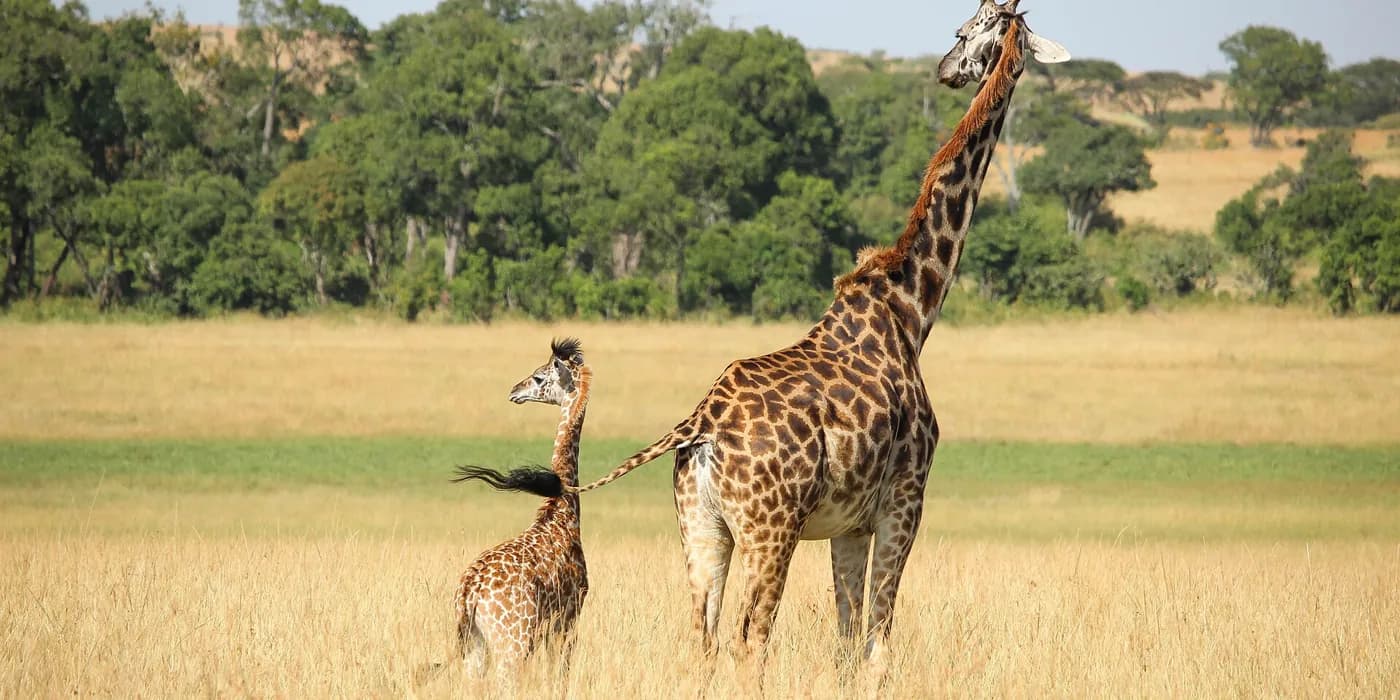
A 2024 nomad permit, Nairobi's tech scene and good private hospitals, with safari nearby. Serious cases mean air evacuation, this being AMREF Flying Doctors country. The roads, the malaria map and the border zones shape the rest.
A short trip to Kenya can still use travel cover. Living there needs international health insurance that outlasts the visa.
- Best for Long-term nomads
- Best for Slowmads
- Best for Freelancers
- Best for Perpetual travelers
- Insurance required?
- Required on Class N permitcomprehensive cover including emergency care, hospitalisation and repatriation; no minimum sum published
- Recommended coverage
- No minimum publishedcomprehensive with evacuation
- Emergency number
- 999112
- Healthcare quality
- Stretched public sector plus good private hospitals in Nairobi (Aga Khan, Nairobi Hospital, MP Shah, Karen); air evacuation routine
The system
Healthcare system in Kenya
Kenya runs a two-tier system: a stretched public sector, and good private hospitals concentrated in Nairobi.
The ones to know are the Aga Khan University Hospital (JCI-accredited, 24-hour A&E), The Nairobi Hospital, MP Shah and The Karen Hospital. English is an official language, so care is easy to navigate in the private sector.
Evacuation is the defining feature
The defining feature here is evacuation. Kenya is the home of AMREF Flying Doctors, a Nairobi-based air-ambulance service running for over sixty years, and for serious cases air evacuation, within Kenya or sometimes abroad to South Africa or India, is routine rather than exceptional. That, plus large upfront deposits at private hospitals, is why proper insurance with evacuation cover is the thing to get right. The emergency numbers are 999 and 112. Pharmacies (chemists) are widespread in the cities.
What you'd pay
Typical costs
| Private GP or specialist consultation | KES 2,000 to 5,000 (about US$15 to US$40) |
|---|---|
| Private hospital bed, per day | from about KES 11,000 (US$85); intensive care far more |
| Admission deposit (uninsured) | often KES 200,000+ (about US$1,550) demanded upfront |
| Serious admission or surgery | KES 100,000 to 500,000+ (about US$775 to US$3,900+) |
These are indicative private figures and the shilling moves, so check the rate. Uninsured private care is, as expat guides put it, about as expensive as in the West, and the deposit demanded before treatment is the practical sting.
Entry & stay
Visa, residency & insurance
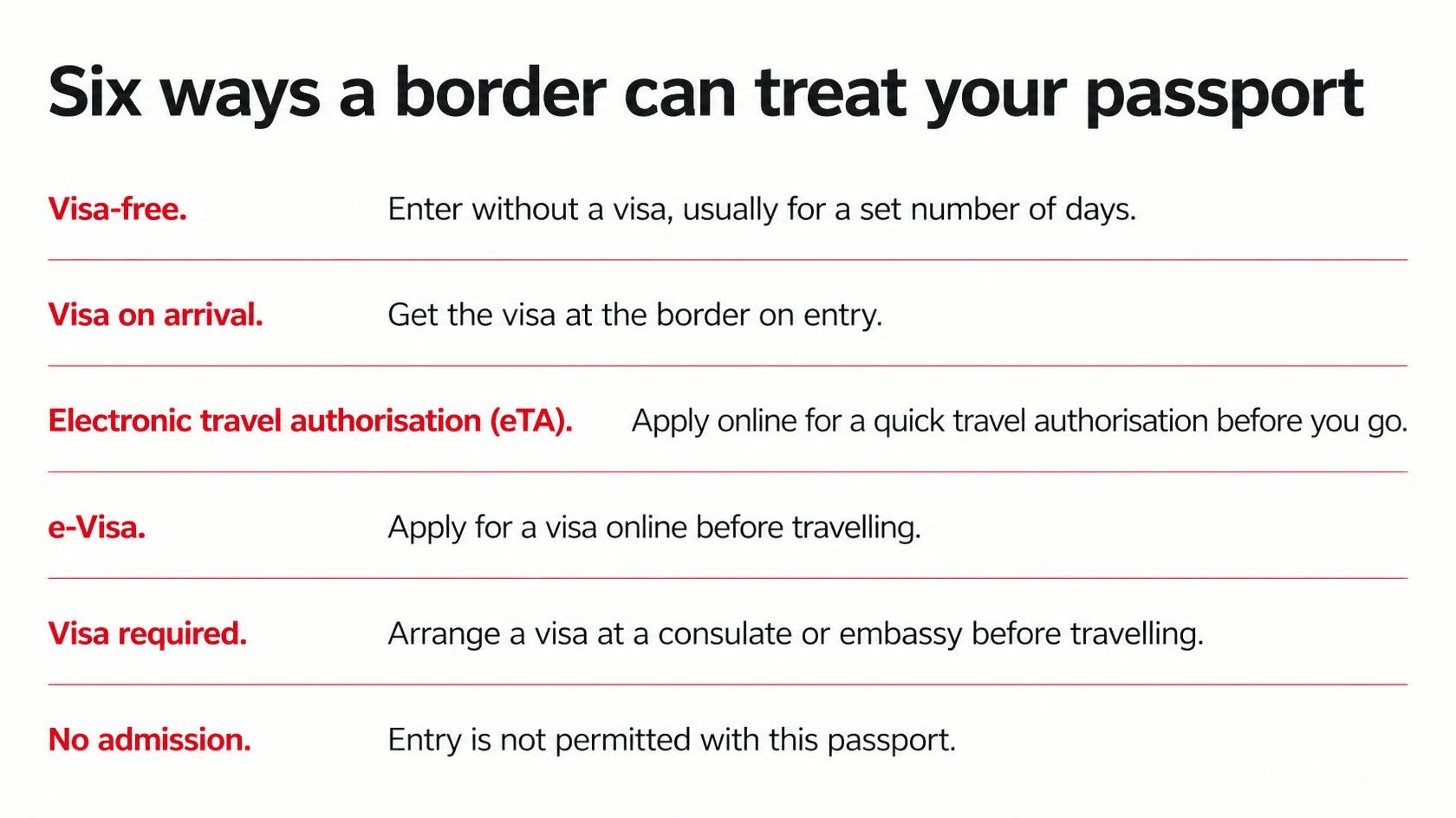
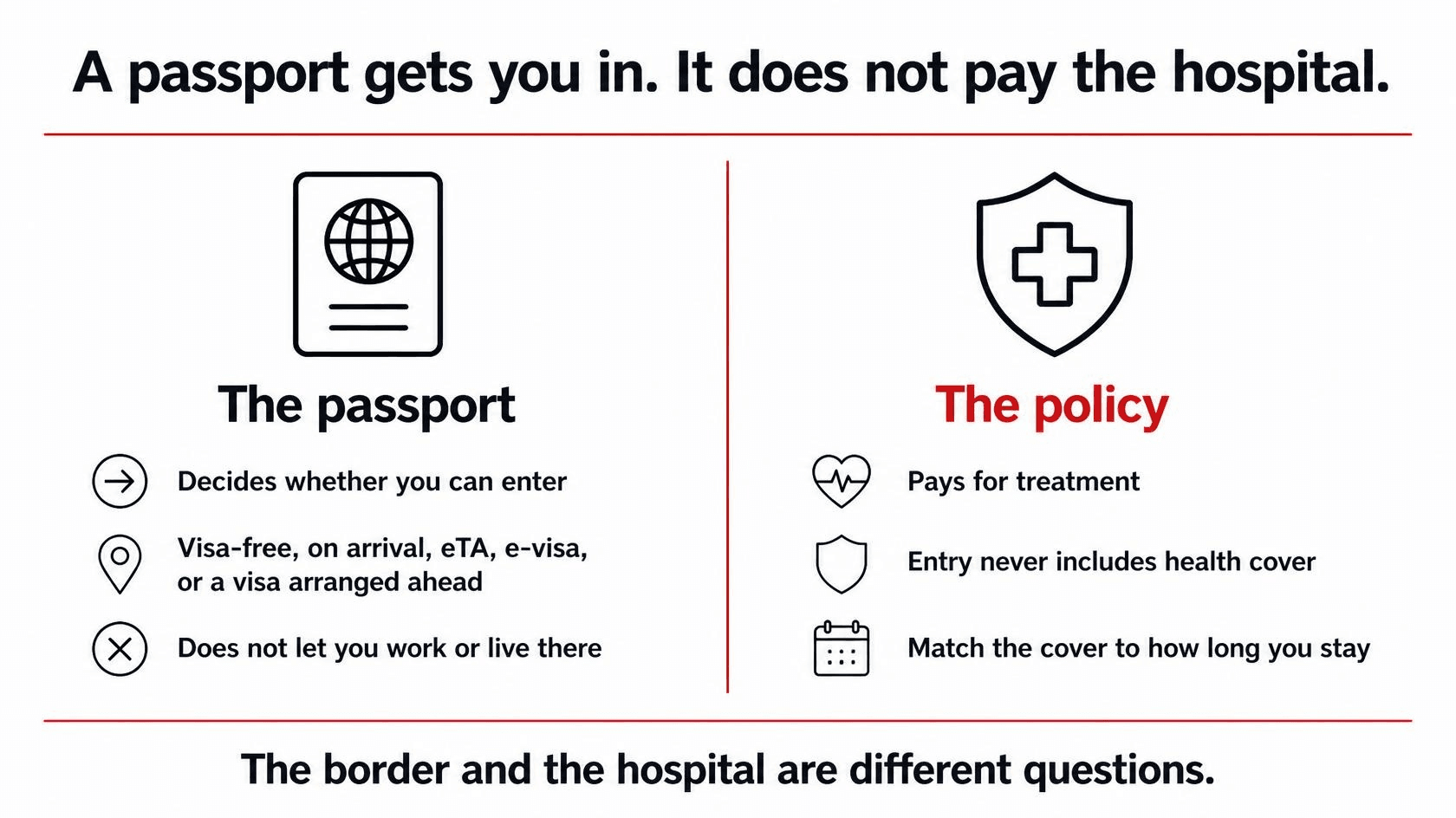
For short stays, Kenya is visa-free but everyone needs an approved Electronic Travel Authorisation (eTA), in place since January 2024, including US, British, Canadian and Australian visitors, for stays of up to 90 days.
Travel insurance is not a legal entry requirement.
Class N Digital Nomad Work Permit
To stay and work remotely, Kenya introduced the Class N Digital Nomad Work Permit in 2024, for people working for non-Kenyan employers or clients. It runs one or two years, renewable. The income threshold is in flux: it was launched at US$55,000 a year, and some 2026 sources report a reduction to around US$24,000, so confirm the current figure on the official portal. Insurance is required: proof of health cover for the full stay, described as comprehensive including emergency care, hospitalisation and repatriation, though no minimum sum is published. Given how routine air evacuation is here, insure for it properly. We lay out the visa on the Kenya digital nomad visa page.
Who these rules apply to: eTA applies to most non-African nationalities incl. EU/US/UK/CA/AU; AU member states (except LY/SO) and EAC nationals visa-free / eTA-exempt
- Recommended
eTA (Electronic Travel Authorization)
Up to 90 days per entry; eTA valid 90 days from issueTourists and short-term business visitors from non-exempt nationalities. Passport 6+ months with blank page, photo, accommodation and itinerary, USD 30 fee
- Optional
Class D Permit (Employment / Work Permit)
2 years renewable up to max 4 yrs totalForeign nationals with Kenyan job offer in role with skills not readily available locally. Confirmed Kenyan job offer, Form 25 and Form 27, employer docs, qualifications, named Kenyan understudy to train; processing fee KES 20,000 + issuance KES 500,000/yr (EAC nationals gratis)
- Recommended
Class K Permit (Ordinary Residents / Income or Pensioner)
1 or 2 years initially, renewablePersons 35+ with assured passive income from outside Kenya (pension, annuity, dividends, rental); no work in Kenya. Min assured annual income USD 24,000 from outside Kenya; documentary proof; processing fee KES 20,000 + issuance fee KES 250,000/yr
- Recommended
Class G Permit (Investor)
Typically 2 years renewableForeign investors, entrepreneurs and business founders in specific trade or business in Kenya (Class B is the agriculture/animal husbandry investor variant). Min capital investment USD 100,000 verified via Kenyan bank statement; business plan; KRA PIN; processing fee KES 20,000 + issuance fee KES 250,000/yr
- Optional
Class M Permit (Refugees and Conventional Refugees)
For duration of refugee status, typically renewablePersons granted refugee status in Kenya under Refugees Act. Recognition as refugee by DRS/UNHCR; refugee ID; no fee
Visa rules change often and depend on your nationality. Always confirm with the official immigration service or your nearest consulate before you apply.
Comparing plans for a long stay in Kenya? Our guide to the best health insurance for a nomad visa sets out what to check first.
Interactive
Verified pricesWhat would it cost in Kenya without insurance?
Off a kerb, off a bouldering wall, off a wet bathroom floor. No admission, just a bad afternoon.
| Emergency room, on arrival | $100–$500 |
| X-ray to confirm the break | $15 |
| You pay, out of pocket | $115–$515 |
That is the bill you carry alone. Insurance exists for exactly this.
See what a match needsTypical private-care estimates for illustration, not a quote. Actual bills vary by hospital, city and severity.
Local risk notes
What to watch out for in Kenya
- The roads.
- Kenya's roads are genuinely dangerous, with over 5,000 deaths in 2025; avoid driving after dark, and treat boda-boda motorbike taxis with caution.
- Malaria, by map. Risk is in the coastal and lowland areas below about 2,500 m, like Mombasa and the Lake Victoria basin, but Nairobi and the high-altitude central highlands are very low or no risk. Take prophylaxis for the coast and the parks, not necessarily for Nairobi.
- The Somali border zones. The US and UK governments advise against all travel to the counties bordering Somalia (Garissa, Wajir, Mandera), Tana River, and the coast north of Malindi, citing a high threat of terrorism and kidnapping.
- Nairobi crime. Petty theft is common and violent crime such as carjacking and mugging can occur; avoid areas like Eastleigh and Kibera and don't walk after dark.
- Altitude and water. Nairobi sits at about 1,800 m, so you may feel the altitude on arrival, and tap water is not safe to drink, so use bottled or filtered.
Common questions
Kenya insurance FAQ
Yes, the Class N Digital Nomad Work Permit, introduced in 2024, for people working for non-Kenyan employers or clients. It runs one or two years, renewable. The income threshold launched at US$55,000, with some 2026 reports of a reduction to around US$24,000, so check the official portal.
Yes, proof of health insurance covering the full stay, described as comprehensive including emergency care, hospitalisation and repatriation. No minimum sum is published, and given how routine air evacuation is, insure for it well.
Because for serious cases, air evacuation is routine, Kenya is the home of AMREF Flying Doctors, and complex cases are sometimes moved abroad to South Africa or India. A policy with medical evacuation is essential here.
Generally no. Nairobi and the high-altitude highlands are very low or no malaria risk; the risk is in coastal and lowland areas like Mombasa and around Lake Victoria, where prophylaxis is advised.
No visa, but you must get an approved eTA before travelling (required since January 2024), valid for stays of up to 90 days.
No. Use bottled or filtered water, including in Nairobi.
This page is the healthcare guide. It does not quote a premium and does not name an insurer. How we measure cost.
In 3 steps
- 01
Fill out
The form only asks what changes the plan.
- 02
We find your match
We compare the panel against your route, stay and visa.
- 03
Become a member
If the offer fits, you take it out directly.
Have a look if this page was not the question you came with.