
Destination
Healthcare in Sri Lanka, and what it costs without cover
A new 2026 nomad visa, a south-coast surf scene, low costs and English-speaking care. Serious cases fly to India or Singapore, which is what evacuation cover is for. Dengue and the roads are the everyday risks.
A short trip to Sri Lanka can still use travel cover. Living there needs international health insurance that outlasts the visa.
- Best for Long-term nomads
- Best for Slowmads
- Best for Freelancers
- Best for Perpetual travelers
- Insurance required?
- Required for the Digital Nomad Visainternational health insurance valid in Sri Lanka
- Recommended coverage
- No minimum confirmed; prioritise evacuation cover
- Emergency number
- 1990 ambulance (Suwa Seriya)119 police
- Healthcare quality
- English-speaking private hospitals in Colombo; free but crowded public
The system
Healthcare system in Sri Lanka
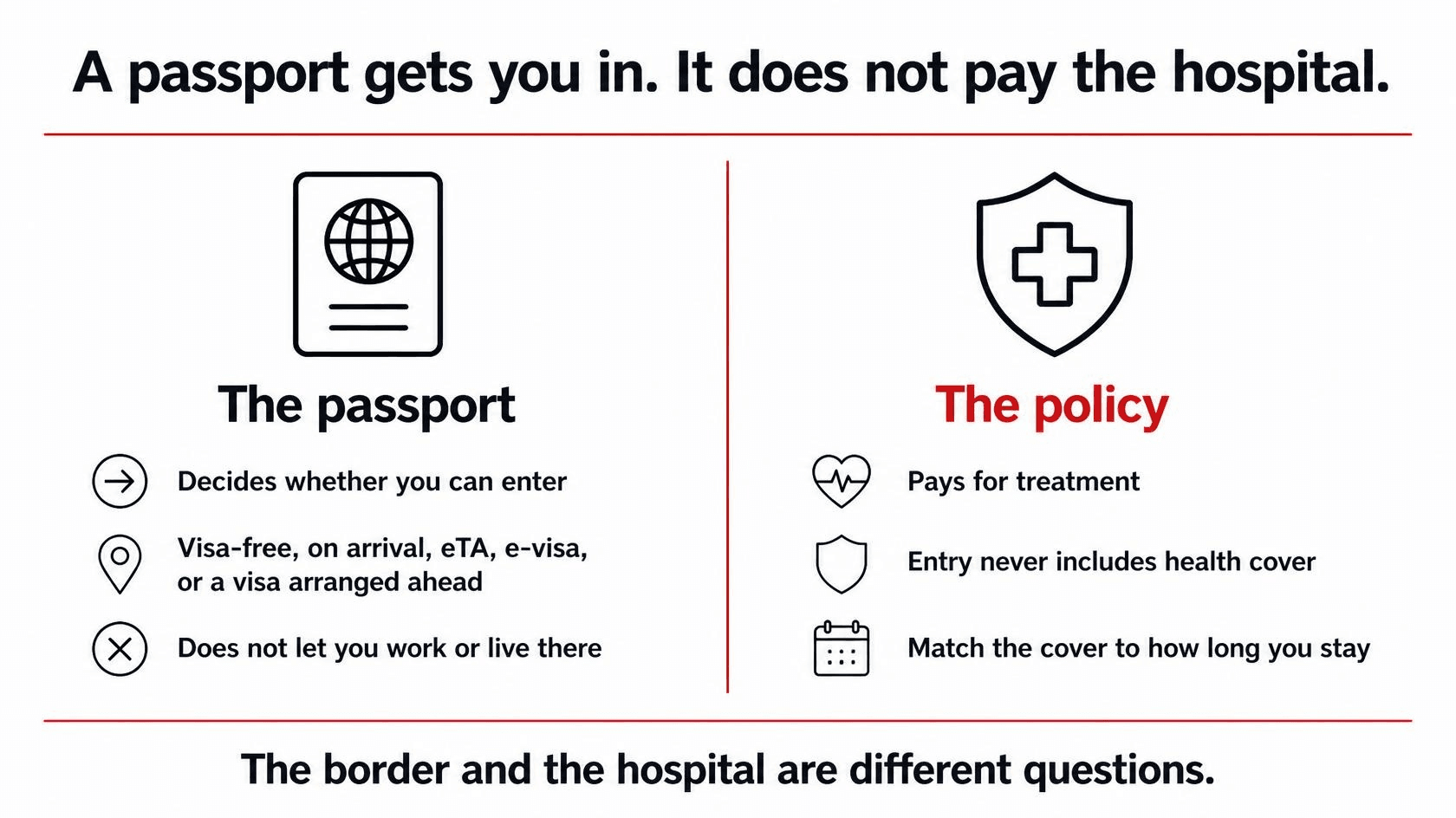
Sri Lanka runs a universal public system that is free at the point of care and a genuine safety net for emergencies, but it is crowded and basic for anything non-urgent, so nomads use the private sector.
The private hospitals to know are in Colombo, names like Lanka Hospitals, Asiri, Nawaloka and Durdans, and they are modern, fast and inexpensive by Western standards. A real advantage here is language: English is widely used in Sri Lankan medicine, and many doctors trained in the West, so care rarely gets lost in translation.
Serious cases leave the island
The island caveat matters: for the most serious cases, major trauma, intensive care or complex surgery, patients are sometimes evacuated to India or Singapore, which is exactly why evacuation cover is the insurance feature that counts. The free national ambulance service, Suwa Seriya, is reached on 1990; 119 is the police. Pharmacies are widespread and many medicines are available over the counter.
What you'd pay
Typical costs
| Private GP or specialist consultation | about $30 to $60 USD |
|---|---|
| Private hospital room, per day | around LKR 40,000 (roughly $130 to $200), room only |
| Emergency room | varies by triage and tests, so ask for an itemised quote |
| Serious admission or surgery | from around LKR 300,000 (~$920) (a short surgical stay), more for complex cases |
The rupee has been volatile since the 2022 economic crisis, so treat dollar figures as approximate and check the rate. Private care is cheap by Western standards, but a serious case, and above all an evacuation off the island, is the bill that makes insurance essential.
Entry & stay
Visa, residency & insurance
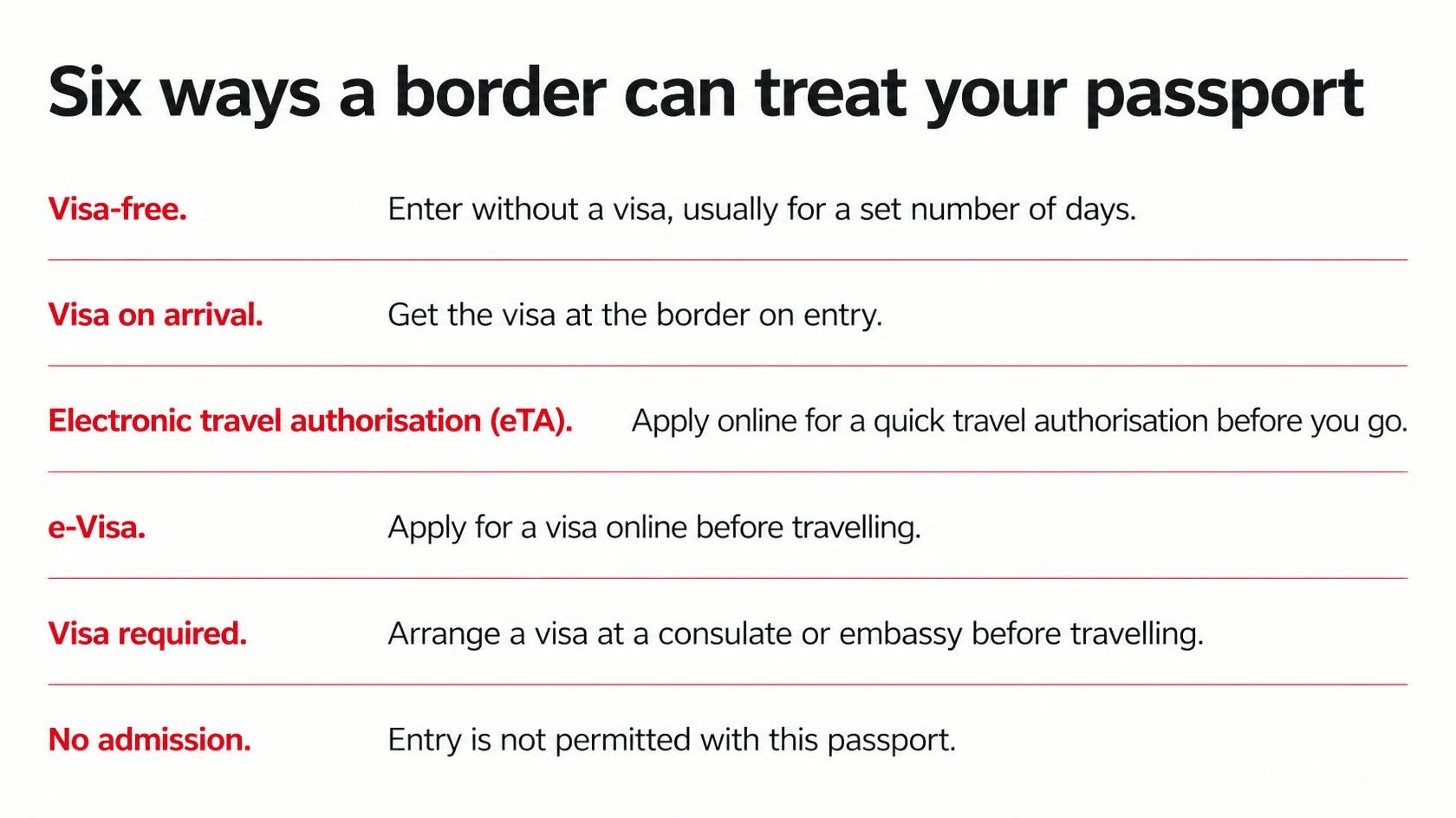
For short stays, you apply online for an Electronic Travel Authorization (ETA) before you fly, as on-arrival ETAs were discontinued in late 2025.
The tourist ETA gives 30 days and is free for many nationalities, including the US, UK, Canada and Australia. Since February 2026 there is also a longer paid tourist visa of up to 180 days, applied for through the official tourist app, and the immigration department's own extension route now runs on a six-month visa extendable by a further 60 days. The older advice that you could stack extensions to roughly 270 days no longer matches any current government page, so treat 180 days as the planning figure and check the portal for fees before you rely on either.
Travel insurance is not required to enter, but given the evacuation reality it is close to essential.
Digital Nomad Visa
To stay and work remotely on a proper footing, Sri Lanka launched a dedicated Digital Nomad Visa in February 2026. It is for remote workers earning from outside the country, on income of at least $2,000 a month (with more per dependent), runs 12 months and renews annually, and requires your income to be remitted through the Sri Lankan banking system. Insurance is a required document: you must show international health insurance valid in Sri Lanka. No specific minimum sum has been confirmed in the published rule, so insure for the real risk, especially evacuation. We lay out the visa on the Sri Lanka digital nomad visa page. The visa is new, so expect the process to be bedding in.
Who these rules apply to: All foreign nationals; 40 listed countries get free 30-day tourist ETA through March 2027, others pay standard fee
- Required
Free ETA Tourist Visa (2026 to 2027 pilot)
30 days, double entry40 listed countries incl. US/UK/EU/AU/IN/CN/RU/Gulf. Apply for ETA online at eta.gov.lk before travel; valid passport; return ticket
- Required
Standard ETA Tourist Visa
30 days, extendable to 90 days then up to 180 days totalNationals not on 40-country free list. Online ETA with fee (~USD 50 for most); valid passport with 6 months validity
- Optional
Residence Visa (Investor / Employment)
1 to 2 years renewableForeign investors, employees of approved companies, professionals, students, dependents. Sponsorship by approved entity (BOI company, gov ministry, university); funds or employment contract; police clearance
- Required
Digital Nomad Visa (launched 2024, updated Jan 2026)
1 year initial, extendable up to 5 years totalRemote workers, freelancers, owners of foreign-registered businesses. Min monthly income USD 1,500 (lowered from USD 2,000 in Jan 2026); employed by or running business outside Sri Lanka; police clearance <3 months old; fee ~EUR 425
- Required
My Dream Home Visa (Retirement)
2 years renewableRetirees 55+ plus spouse and unmarried children under 18. Fixed deposit USD 15,000 in approved SL bank; monthly remittance USD 1,500 (+750 USD per dependent); police clearance <6 months; no employment permitted
Visa rules change often and depend on your nationality. Always confirm with the official immigration service or your nearest consulate before you apply.
Interactive
Verified pricesWhat would it cost in Sri Lanka without insurance?
A fever you assume is flu until the platelet count comes back. Common across the places nomads spend winters.
| The first doctor visit, before anyone worries | $10–$50 |
| Back again, this time to emergency | $50–$200 |
| Four nights on fluids and monitoring | $148–$416 |
| You pay, out of pocket | $208–$666 |
Priced as one lump instead of itemised, a serious admission in Sri Lanka runs $250 to $5,000.
That is the bill you carry alone. Insurance exists for exactly this.
See what a match needsTypical private-care estimates for illustration, not a quote. Actual bills vary by hospital, city and severity.
Local risk notes
What to watch out for in Sri Lanka
- Dengue.
- Dengue is a major, year-round risk that peaks with the monsoon rains, with tens of thousands of cases a year. The mosquitoes bite by day, so repellent matters; a 2025 chikungunya outbreak adds to the case for bite prevention.
- Two monsoons. The southwest monsoon (roughly May to September) soaks the south and west coasts and hill country, while the northeast monsoon (around November to January) hits the east and north. The trick is to move with the dry coast, which makes Sri Lanka a year-round base.
- Roads. Driving is genuinely dangerous, with reckless overtaking by buses, cars and tuk-tuks. If you ride a scooter, confirm your policy covers it, and ride defensively.
- The sea. South and west surf beaches have strong rip currents and limited lifeguard cover; drownings happen, so respect local conditions.
- Power and water. Tap water is not safe to drink, so stick to bottled or filtered. And while fibre internet is good, power reliability is the real connectivity risk, so a base with backup power is worth seeking out.
Common questions
Sri Lanka insurance FAQ
Yes, a dedicated Digital Nomad Visa launched in February 2026. It needs income of at least $2,000 a month from outside Sri Lanka, runs 12 months renewable annually, and requires income to be remitted through Sri Lankan banks. It is new, so expect the process to be bedding in.
Yes, international health insurance valid in Sri Lanka is a required document. No specific minimum sum has been confirmed, so insure for the real risk, and prioritise evacuation cover.
Because the most serious cases, major trauma, intensive care or complex surgery, are sometimes flown to India or Singapore. A policy with medical evacuation is more than a formality here.
The ETA gives 30 days, free for many nationalities. Since February 2026 a longer paid tourist visa of up to 180 days is available through the official tourist app, and extensions now run on a six-month visa plus a further 60 days. Apply online before you travel, as on-arrival ETAs ended in late 2025. The old 270-day stacking advice no longer matches any government page.
The private hospitals in Colombo (Lanka Hospitals, Asiri, Nawaloka, Durdans) are modern, English-speaking and cheap by Western standards. Public care is free but crowded. Most nomads use private care.
No. Stick to bottled or filtered water, even in cities.
Here for a few weeks rather than living here? A trip policy is the right tool; see our guide to nomad travel insurance.
This page is the healthcare guide. It does not quote a premium and does not name an insurer. How we measure cost.
In 3 steps
- 01
Fill out
The form only asks what changes the plan.
- 02
We find your match
We compare the panel against your route, stay and visa.
- 03
Become a member
If the offer fits, you take it out directly.
Have a look if this page was not the question you came with.