
Destination
Healthcare in Brazil, and what it costs without cover
Fast internet, a proper nomad visa, and excellent private hospitals in São Paulo and Rio. Dengue and the roads are the day-to-day risks, and since April 2025 US, Canadian and Australian visitors need an eVisa.
A short trip to Brazil can still use travel cover. Living there needs international health insurance that outlasts the visa.
- Best for Long-term nomads
- Best for Slowmads
- Best for Freelancers
- Best for Perpetual travelers
- Insurance required?
- Requiredthe VITEM XIV nomad visa requires valid health insurance covering Brazil for the full stay
- Recommended coverage
- No official minimum published; income of at least $1,500/month or $18,000 savings required for the visa
- Emergency number
- 192 SAMU medical190 police · 193 fire
- Healthcare quality
- Free public SUScrowded); excellent JCI-accredited private hospitals (Albert Einstein, Sírio-Libanês
The system
Healthcare system in Brazil
Brazil runs a universal public system, the SUS, that is free at the point of care to anyone in the country, including foreigners.
It is a genuine safety net, but it is crowded, slow for non-urgent care, and rarely English-speaking, so nomads use the private sector for anything timely.
Private hospitals worth knowing
The private hospitals worth knowing are world-class. In São Paulo, Hospital Israelita Albert Einstein was the first hospital outside the United States to earn Joint Commission International accreditation, and Hospital Sírio-Libanês sits in the same tier. In Rio, Copa Star and Copa D'Or (Rede D'Or) are the high-end options. English-speaking, internationally trained doctors are reliable at these, and less so elsewhere, where Portuguese is the working language.
Pharmacies and emergency numbers
Pharmacies (farmácias) are everywhere and pharmacists advise on minor issues; antibiotics legally need a prescription. There is no single emergency number: 192 reaches SAMU for medical emergencies and ambulances, 190 is the police, and 193 the fire service.
What you'd pay
Typical costs
| Private GP or consultation | $35 to $90 USD |
|---|---|
| Specialist consultation | $70 to $100 USD |
| Emergency room visit (uninsured) | $100 to $300 USD |
| Hospital, per day (private) | around $2,300 USD, before tests and treatment |
| Serious admission or surgery, such as an appendectomy | $2,000 to $4,700 USD |
These are typical private-sector ranges from expat and clinic guides, not an official tariff. Premium hospitals like Albert Einstein and Sírio-Libanês run well above the midpoints, and a complicated case can exceed the top of these ranges.
Entry & stay
Visa, residency & insurance
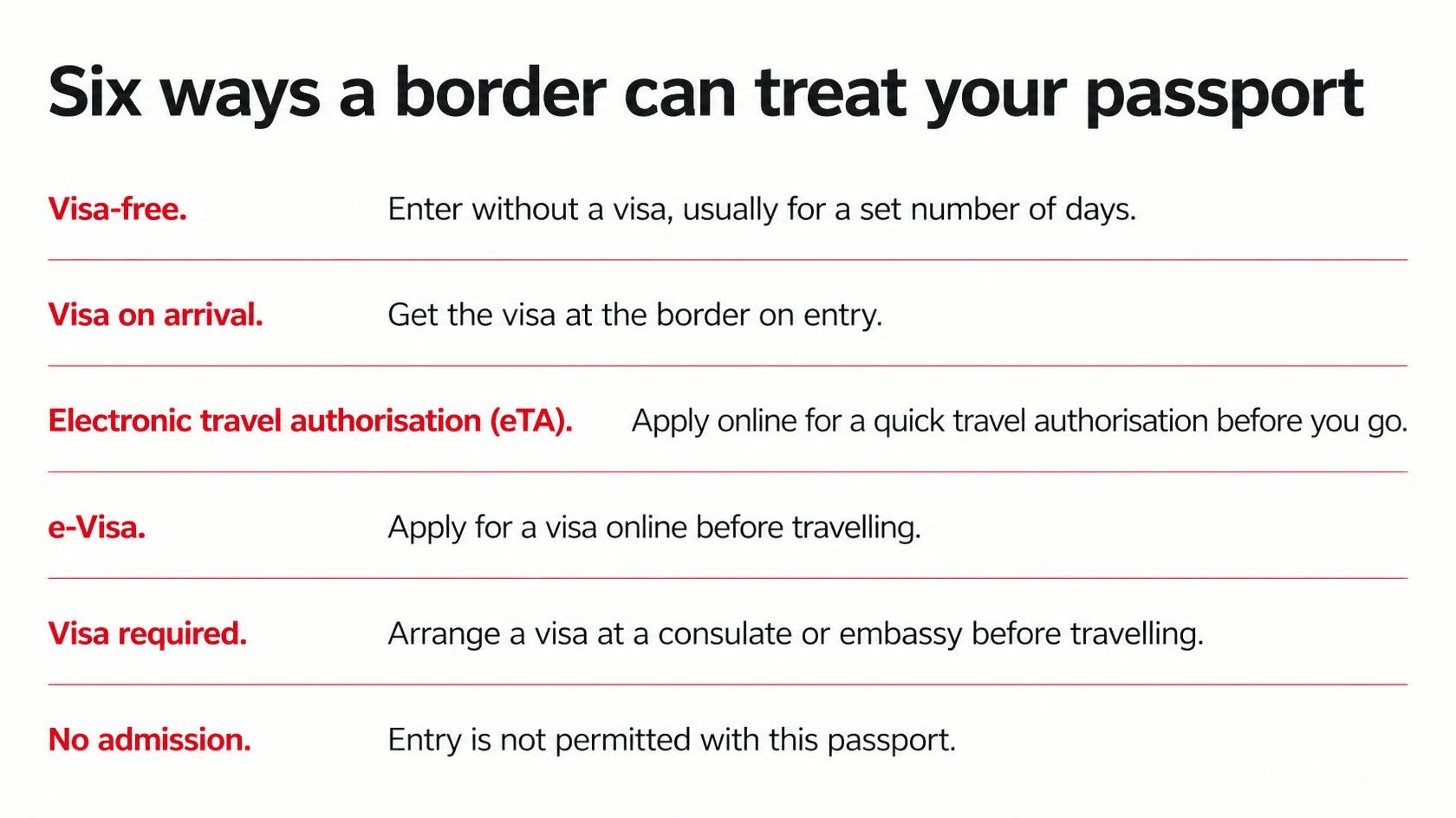
Entry rules changed in 2025.
British passport holders still enter visa-free for up to 90 days. US, Canadian and Australian visitors now need an eVisa (about $80.90), valid for stays of up to 90 days, extendable to 180 within a year. Officials and airlines can ask for an onward ticket, so avoid one-way bookings. Travel insurance is not a legal entry requirement for tourists.
The VITEM XIV nomad visa
For staying and working remotely, Brazil has a proper digital nomad visa, the VITEM XIV (created by Resolution 45/2021). It is aimed at people working for an employer or clients outside Brazil, and asks for proof of income of at least $1,500 a month or savings of at least $18,000. It runs one year and renews once for a second. The condition that matters here is insurance: the visa requires valid health insurance covering Brazil for the whole stay. There is no official minimum coverage amount published, despite figures that circulate online, so insure for the real risk, not a number. We break the rule down on the Brazil digital nomad visa page.
Who these rules apply to: Most non-Mercosur (US/UK/CA/EU/AU) for long-stay residence visas (DN VITEM XIV, VIPER retirement/investor)
- Recommended
Tourist entry (visa-free or e-visa)
90 days in any rolling 12 months (initial up to 90, extendable once by 90)EU/UK/CA/AU visa-free; US e-visa. Passport 6 months, onward travel, funds; US pays e-visa fee
- Recommended
Investor Visa (VIPER business)
PR from issuance; citizenship after 4 yrsEntrepreneurs investing in a Brazilian company. R$500,000 (~100,000 USD), or R$150,000 (~30,000 USD) with business-plan and job-creation commitments
- Required
Digital Nomad Visa (VITEM XIV)
1 year, renewable for 1 moreRemote workers and freelancers from foreign sources. 1,500 USD/month foreign income OR 18,000 USD savings; remote-work contract/letter; clean record
- Required
Retirement Visa (VIPER for retirees)
2 years renewable; PR path; citizenship after 4 yrsRetirees with stable passive income (pension, dividends, rental); no min age. ~1,200 USD/month pension/passive (R$6,000) +~400 USD/dependent; 12 months statements; FBI/criminal apostilled
- Recommended
Investor Visa (VIPER real estate)
PR (temporary first); citizenship after 4 yrsForeign nationals investing in Brazilian urban real estate (Golden Visa). R$1,000,000 (~200,000 USD) in S/SE/Centre-West, or R$700,000 (~140,000) in N/NE; urban residential/commercial only
- Required
MERCOSUR Residency
2 years temporary, convertible to permanentAR/UY/PY/CL/BO/PE/CO/EC and associate states. Mercosur passport/ID, clean record, means of subsistence
Visa rules change often and depend on your nationality. Always confirm with the official immigration service or your nearest consulate before you apply.
Interactive
Verified pricesWhat would it cost in Brazil without insurance?
The textbook traveller emergency. It cannot wait, it cannot be treated at a pharmacy, and it ends in an operating theatre.
| Emergency room, on arrival | $110–$220 |
| A scan to confirm it | $138–$237 |
| The operation | $983–$3,934 |
| Three nights recovering | $939 |
| You pay, out of pocket | $2,170–$5,330 |
Priced as one lump instead of itemised, a serious admission in Brazil runs $1,800 to $9,000.
That is the bill you carry alone. Insurance exists for exactly this.
See what a match needsTypical private-care estimates for illustration, not a quote. Actual bills vary by hospital, city and severity.
Local risk notes
What to watch out for in Brazil
- Dengue.
- Brazil had its worst dengue year on record in 2024, with millions of cases, and outbreaks continued into 2025. It is a year-round, country-wide risk, so repellent and screened rooms matter.
- Yellow fever. Vaccination is recommended for most of Brazil, with a booster suggested for high-activity areas like São Paulo. It is not required to enter unless you arrive from an endemic country, so confirm against the CDC for your exact route.
- Roads. Brazil has one of the world's higher road-death tolls. If you ride a motorbike, check your policy actually covers it.
- Urban crime. The US State Department rates Brazil "exercise increased caution", with do-not-travel zones near land borders and in favelas. Stick to normal big-city precautions and avoid favelas unless you are with a trusted local.
- Tap water. Treated and broadly potable in São Paulo and Rio, but bottled or filtered is the safe call, and not safe in rural areas.
Common questions
Brazil insurance FAQ
Yes, the VITEM XIV. It needs proof of $1,500 a month in income or $18,000 in savings, plus valid health insurance covering Brazil, and runs one year, renewable once.
Yes. Health insurance covering Brazil for the full stay is a required document. No official minimum coverage amount is published, so the figures you see online are not codified rules.
British passport holders enter visa-free for 90 days. Since April 2025, US, Canadian and Australian visitors need an eVisa (about $80.90), good for up to 90 days, extendable to 180 within a year.
The public SUS is free even to foreigners but crowded; the private sector is excellent, with JCI-accredited hospitals like Albert Einstein and Sírio-Libanês in São Paulo. Most nomads use private care.
A private consultation runs about $35 to $90 and an uninsured ER visit $100 to $300, but a serious admission runs into the thousands and a medical flight home far more.
It is recommended for most of Brazil and worth getting, though not required to enter unless you arrive from an endemic country. Check the CDC for your itinerary.
It is treated in São Paulo and Rio, but bottled or filtered water is the safe choice, especially outside the big cities.
Here for a few weeks rather than living here? A trip policy is the right tool; see our guide to the best travel insurance for digital nomads.
This page is the healthcare guide. It does not quote a premium and does not name an insurer. How we measure cost.
In 3 steps
- 01
Fill out
The form only asks what changes the plan.
- 02
We find your match
We compare the panel against your route, stay and visa.
- 03
Become a member
If the offer fits, you take it out directly.
Have a look if this page was not the question you came with.