
Destination
Healthcare in Estonia, and what it costs without cover
The EU's first nomad visa, a deeply digital state, and high English proficiency, in a low-crime Schengen country. The income bar is €4,500, the winters are dark, and the forests carry ticks.
A short trip to Estonia can still use travel cover. Living there needs international health insurance that outlasts the visa.
- Best for Long-term nomads
- Best for Slowmads
- Best for Freelancers
- Best for Perpetual travelers
- Insurance required?
- RequiredDigital Nomad Visa needs health cover valid in Estonia for the whole stay, in practice the Schengen €30,000 standard
- Recommended coverage
- Schengen €30,000 standard covering treatment, hospitalisation and repatriation
- Emergency number
- 112
- Healthcare quality
- Solid, unusually digital public and private care; very high English proficiency
The system
Healthcare system in Estonia
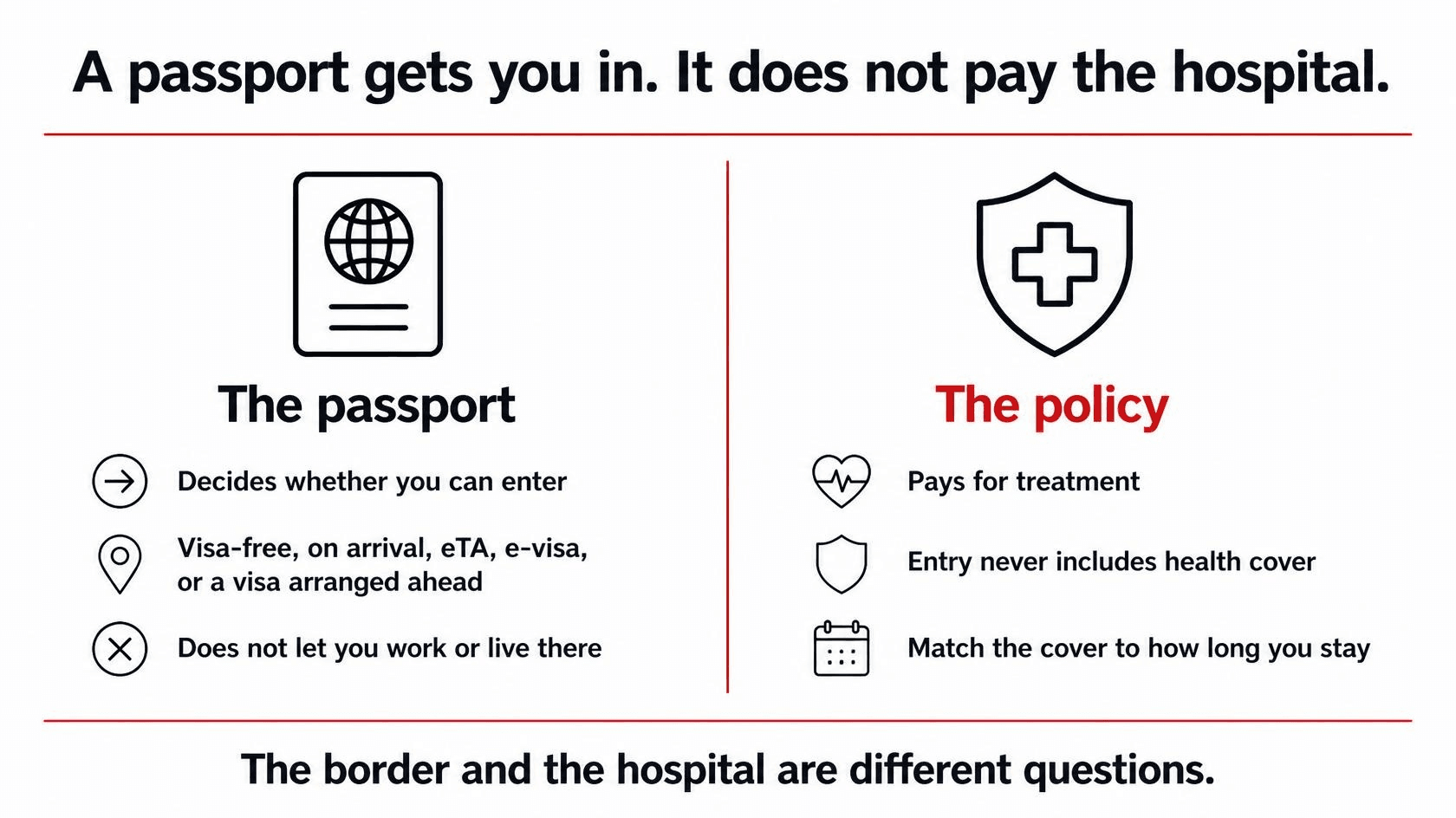
Estonia runs a solidarity-based public system through Tervisekassa (the health insurance fund, formerly Haigekassa), with most providers operating as independent entities; family doctors are private practitioners and most hospitals are state- or municipality-owned companies.
Nomads who want speed or English often use private clinics like Confido. English proficiency is very high, especially among medical staff in Tallinn and Tartu, so care rarely gets lost in translation.
The main hospitals
The main hospitals are the North Estonia Medical Centre and East Tallinn Central Hospital in Tallinn, and Tartu University Hospital, the referral centre for the south. Estonia is unusually digital in health: it has had a nationwide electronic health record since 2008, and about 99% of prescriptions are issued electronically, so a pharmacy (apteek) visit is often just showing ID.
The emergency number is 112.
What you'd pay
Typical costs
| Private GP or family-doctor consultation | €15 to €30 (~$15–35) |
|---|---|
| Private specialist consultation | €50 to €80 (~$55–90) |
| Public ER visit fee | up to €20 (~$25) |
| Public inpatient co-pay | a few euros a day (~$5), capped by law |
These are mostly nominal public co-pays and modest private self-pay rates; Estonia is not an expensive place to see a doctor. A serious surgical admission as an uninsured self-payer is a different matter and can run into the thousands, and a medical flight home far more.
Entry & stay
Visa, residency & insurance
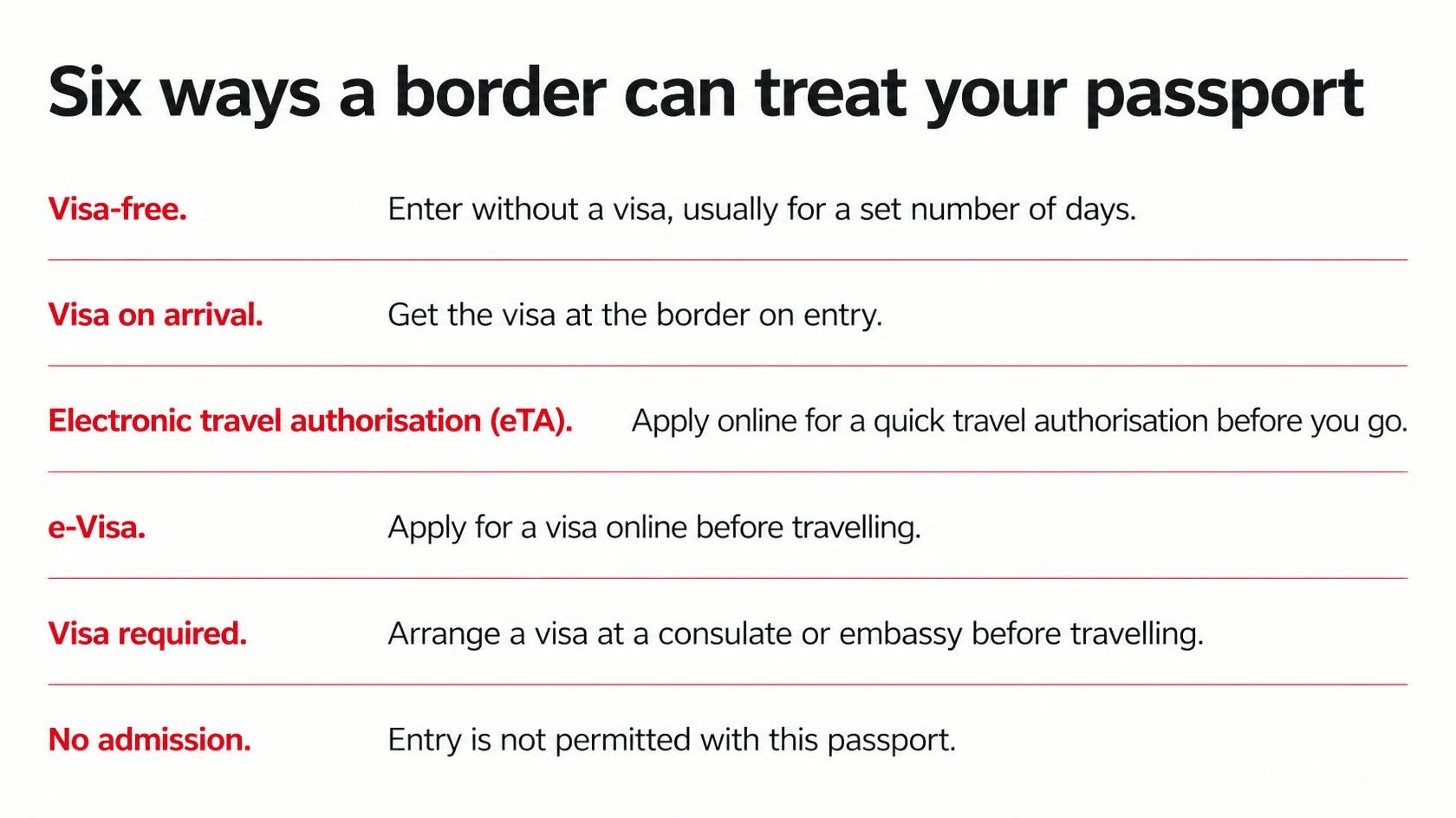
For short stays, Estonia is in Schengen, so US, British, Canadian and Australian visitors enter visa-free for 90 days in any 180-day period.
The EU's Entry/Exit System (EES) is now in operation, and the ETIAS authorisation is expected late in 2026 but is not yet required. Travel insurance is not a legal entry requirement for visa-free visitors.
The Digital Nomad Visa
To stay and work remotely, Estonia's Digital Nomad Visa, launched in August 2020 as the EU's first, is for people working for a foreign employer, their own company abroad, or foreign clients. It asks for income of €4,500 a month (the official figure, described as net), evidenced over the preceding six months, and is issued either as a short-stay (up to 90 days) or long-stay (up to one year) visa. Insurance is required: health cover valid in Estonia for the whole stay, in practice the Schengen €30,000 standard covering treatment, hospitalisation and repatriation. One common confusion worth clearing up: Estonia's famous e-Residency is a digital business identity, not a visa or residence permit, and gives no right to live in or enter the country. We lay out the visa on the Estonia digital nomad visa page.
Who these rules apply to: Non-EU/EEA/Swiss; EU/EEA/Swiss have free movement and register after 3 months
- Recommended
Schengen visa-free / Type C
90 in 180Visa-exempt (US/UK/CA/AU) or Type C holders. Passport ≤10 yrs old, valid 3+ months past departure; ~70 EUR/day funds; ETIAS from late 2026
- Optional
Temporary Residence Permit for Employment
Up to 5 years renewable; PR path after 5Non-EU with confirmed Estonian employer. Job offer from Estonia-registered employer (6+ months activity), salary ≥ Estonian average, qualifications, A2 Estonian at first 5-yr extension
- Required
Digital Nomad Visa (DNV)
Up to 1 year (Type D), extendable up to 1 moreNon-EU/EEA remote employees, freelancers, business owners with foreign clients. Gross income 4,500 EUR (~5,100 USD)/month from non-Estonian sources past 6 months; clean record; remote-work proof
- Required
Type D long-stay visa
Up to 12 monthsNon-EU for short employment, study, family, pre-residence. Legal basis (employment registration, admission, family), funds covering last 3 months, valid travel doc
- Required
Startup Visa
Up to 12 months (Type D); upgradable to 5-year Entrepreneurship RPNon-EU founders of innovative scalable tech startups approved by Startup Estonia Committee. Committee approval (tech-based, scalable, MVP), ~800 EUR (~900 USD)/month funds, clean record
- Optional
Long-term EU residence permit / PR
Permanent (card renewed every 5 years)Non-EU after 5 consecutive years on temporary residence. 5 years legal residence, stable income, permanent address, B1 Estonian, constitution exam
Visa rules change often and depend on your nationality. Always confirm with the official immigration service or your nearest consulate before you apply.
Once a stay outruns a travel policy's trip limit, our guide to nomad health insurance vs travel insurance explains which kind of cover fits.
Interactive
Verified pricesWhat would it cost in Estonia without insurance?
You pay, out of pocket
$2,300–$8,000
A serious private admission or common surgery.
Bars to scale. A flight home is in another league.
That is the bill you carry alone. Insurance exists for exactly this.
See what a match needsTypical private-care estimates for illustration, not a quote. Actual bills vary by hospital, city and severity.
Local risk notes
What to watch out for in Estonia
- Dark, cold winters.
- Winters are long and short on daylight, with snow and ice. Pedestrians are legally required to wear a reflector after dark, and winter tyres are compulsory from December to March.
- Ticks. All of Estonia is a tick-borne encephalitis zone, with ticks active from around April to October. There is a vaccine for TBE but not for Lyme, so cover up and check yourself after forest walks.
- The Russian border. Estonia borders Russia; the eastern border zone is best avoided and crossings can close at short notice. Tallinn, Tartu and the tourist areas are unaffected.
- Winter driving. Roads are good, but ice, snow and darkness make rural winter driving hazardous; if you drive, use proper tyres.
- Tap water. It is safe to drink.
Common questions
Estonia insurance FAQ
Yes, the EU's first, launched in August 2020. It is for people working for a foreign employer, their own foreign company, or foreign clients, on income of €4,500 a month evidenced over the prior six months.
Yes, health insurance valid in Estonia for the whole stay, in practice the Schengen €30,000 standard covering treatment, hospitalisation and repatriation.
No. e-Residency is a digital identity for running an EU company online; it is not a visa or residence permit and gives no right to live in or enter Estonia. The nomad visa is the route to actually staying.
€4,500 a month, the official figure (described as net), shown over the six months before you apply.
No. As a Schengen member, Estonia lets US, British, Canadian and Australian visitors stay 90 days in any 180. ETIAS is coming but not yet required.
Yes, and unusually digital, with English widely spoken in the cities. Public care runs through Tervisekassa, and private clinics offer fast English-language access.
Yes, it is safe to drink across Estonia.
This page is the healthcare guide. It does not quote a premium and does not name an insurer. How we measure cost.
In 3 steps
- 01
Fill out
The form only asks what changes the plan.
- 02
We find your match
We compare the panel against your route, stay and visa.
- 03
Become a member
If the offer fits, you take it out directly.
Have a look if this page was not the question you came with.